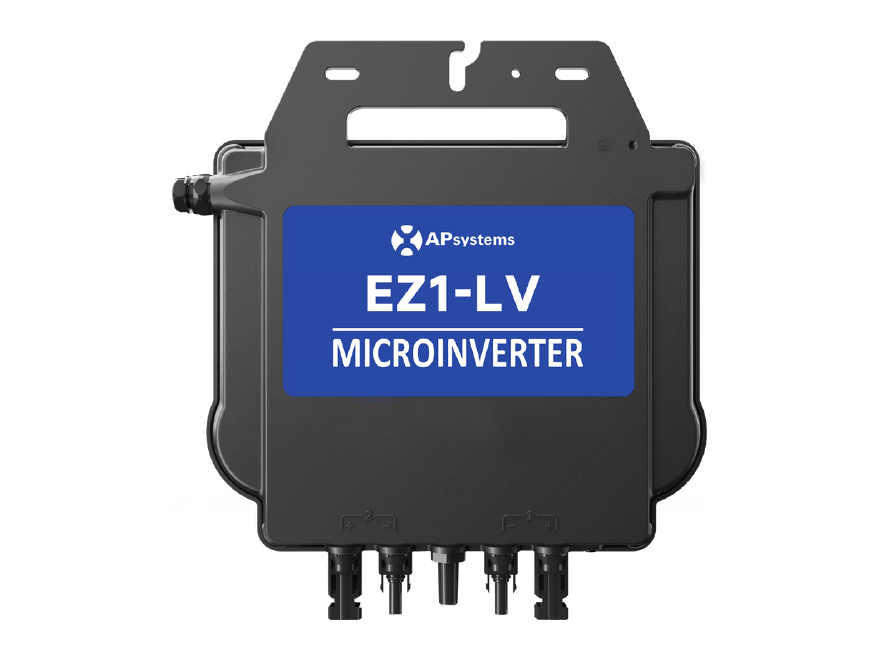
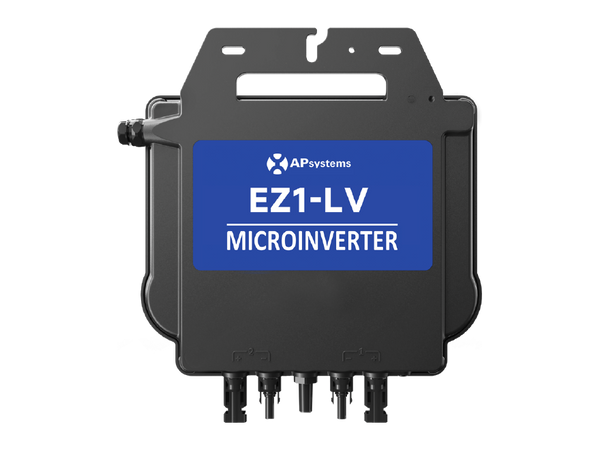
APsystems EZ1-LV Add-On Microinverter — Expansion Unit (APmeter Required)
Add another 900 W microinverter to your EZ1 system. It uses the APmeter from your kit, so there's no second meter to buy.
Requires an EZ1-LV Plug-In Solar Kit with the APmeter. Two or more inverters usually need a dedicated circuit.
- Local delivery & installation in California
- Licensed electricians available
- Questions? Real answers from our team
- 14-day returns
One meter, many inverters
This is an expansion unit. It does not include a smart meter, and it will not work on its own. Buy this only if you already own — or are buying at the same time — an EZ1-LV Plug-In Solar Kit with the APmeter. On its own this inverter has no way to limit export, which means it is not compliant to operate in California.
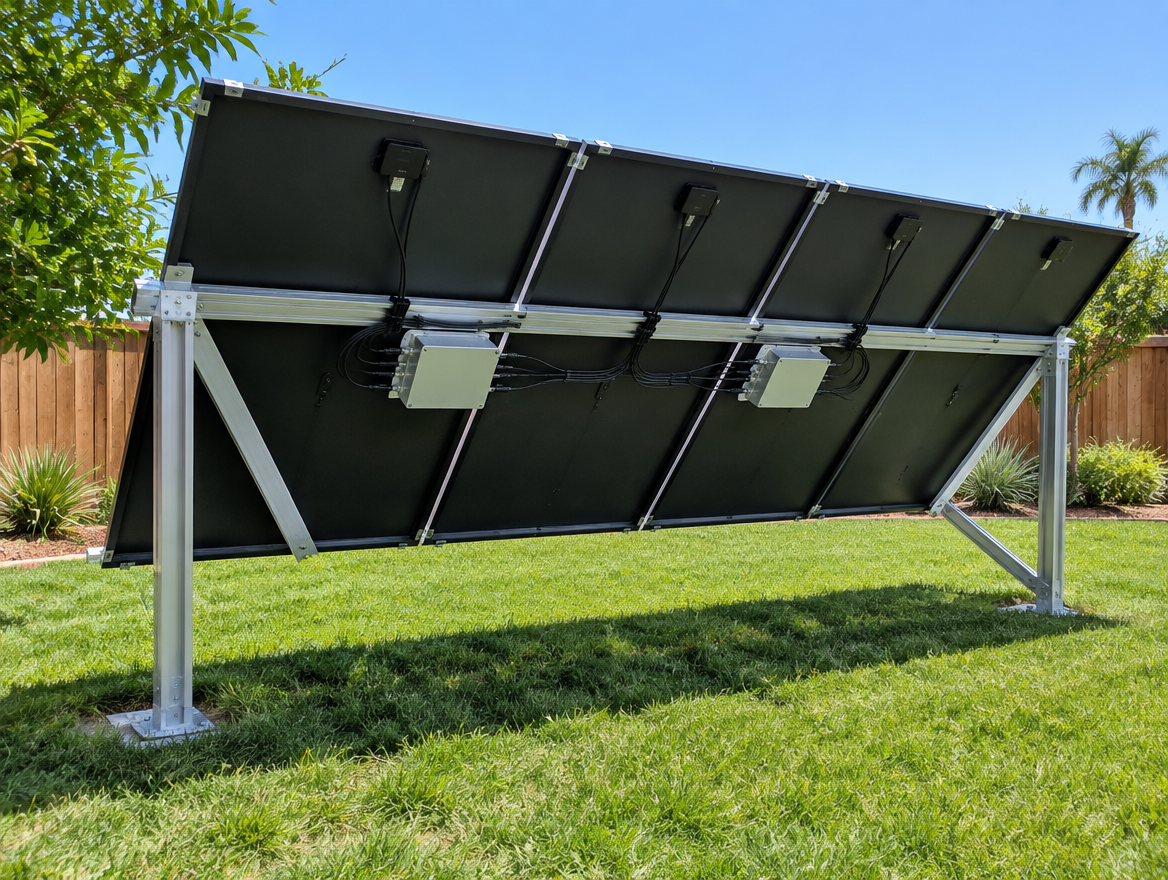
Adding a second or third pair of panels does not mean buying a second or third smart meter. One APmeter measures at your service panel — the single point where all household power flows in and out — so it manages every EZ1 on the property from that one measurement. Buy the meter once, then add inverters as your array grows. (New to zero export? Read how zero-export plug-in solar works.)
Who this is for
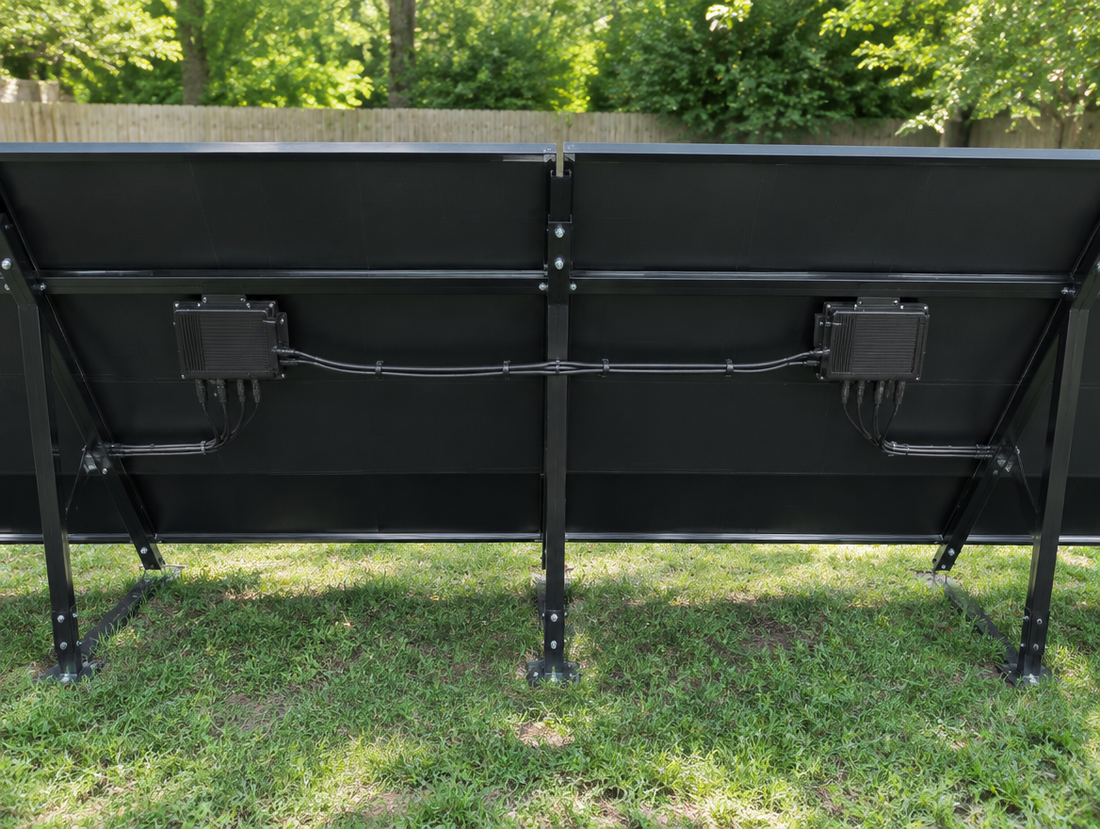
- You bought a kit and want to expand from two panels to four, six or more
- You are ordering a larger system up front — one kit, plus add-on inverters for the extra panel pairs
- You are replacing a failed inverter on a system whose APmeter is still fine
What you get
One EZ1-LV microinverter, the same model that ships in our kit. It is built for 120 V North American homes, delivers as much as 900 W, and accepts a pair of solar panels, each on its own maximum power point tracker. A five-metre AC lead with a standard plug comes attached. The only thing missing from the box is the meter.
Check your circuit before you order
This is the constraint that actually limits how many EZ1 units you can run, and it catches people out. Each EZ1-LV can deliver up to 900W. A standard 15A/120V branch circuit has 1,800W of capacity, and continuous-load rules limit you to roughly 1,440W of that — so one EZ1 fits comfortably and two do not. A 20A circuit gives you about 1,920W usable, which accommodates two.
And that is before anything else plugged into the same circuit. If the outlet you are using also feeds a garage freezer or a workshop, the available headroom is smaller than the breaker suggests.
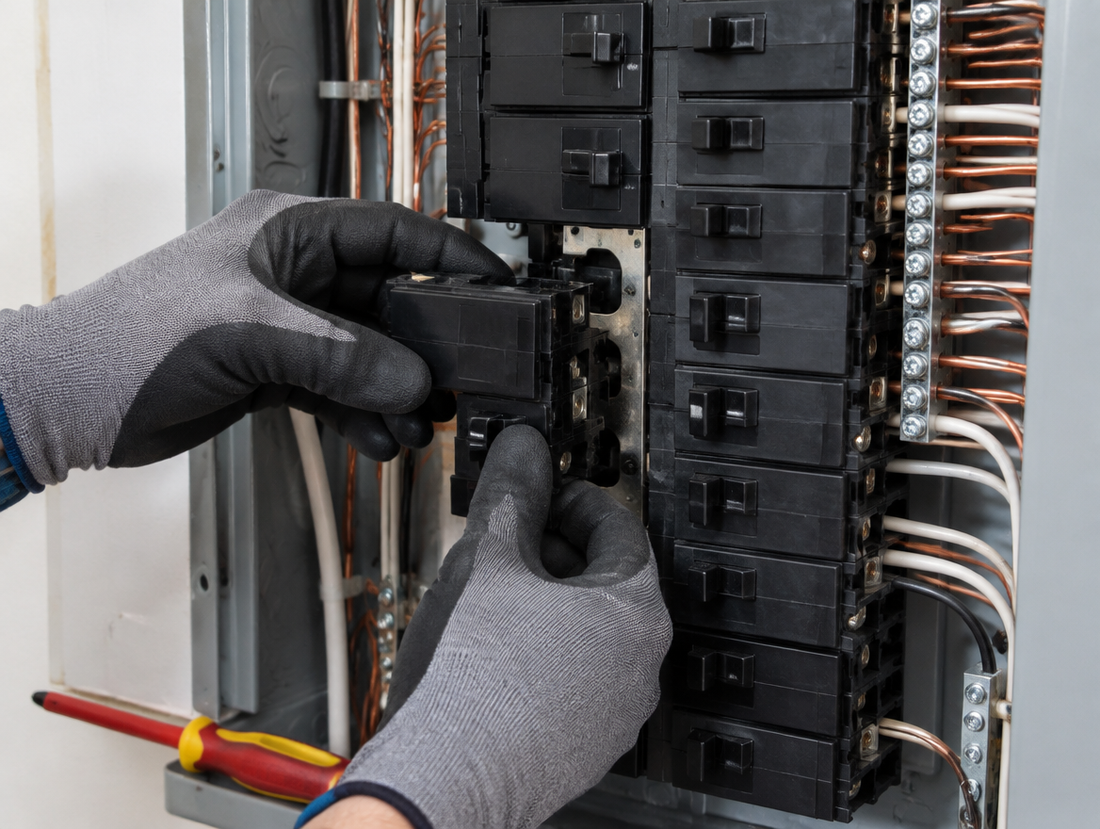
Running more than one or two units generally means either a dedicated circuit or splitting units across separate circuits. Have an electrician confirm what your panel and wiring will take before you order multiples — it is a five-minute conversation that avoids a nuisance-tripping system. You can add an Electrician Visit to the same order.
Pairing
Additional units pair through the AP EasyPower app the same way the first one did. The APmeter then throttles across all paired inverters together, keeping total household export at zero regardless of how many are producing.

Pairs well with
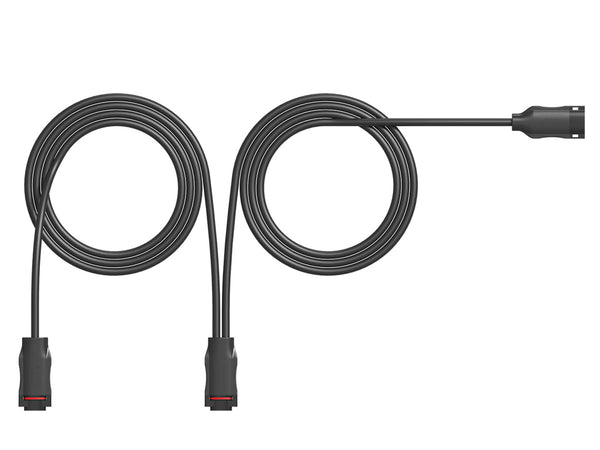
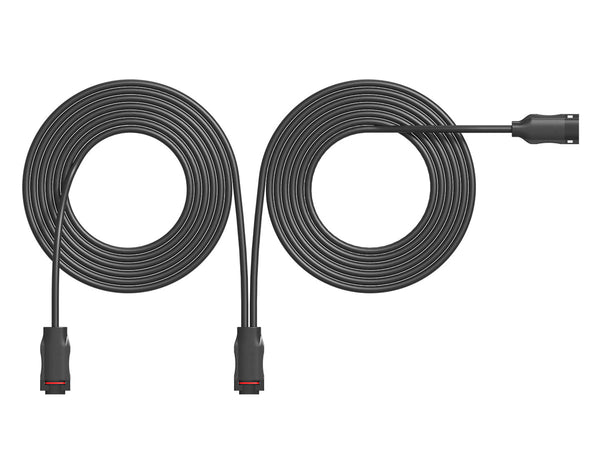
- Parallel bus cable — links several EZ1 units into one connection, so each inverter doesn't need its own outlet. Choose the 2m for side-by-side units or the 4m for wider layouts.
- MC4 DC extension leads — for panels mounted farther from the inverter than their own leads allow. Lengths from 1m to 4m are coming soon to Cables & Accessories.
- LTE USB Dongle — cellular monitoring where Wi-Fi doesn't reach the array.
Starting from scratch? You need the EZ1-LV Plug-In Solar Kit instead — it includes the APmeter this unit depends on.
Local delivery & install
We deliver and install across our California service area.
Licensed electricians
Meter installs, dedicated circuits and breakers. Learn more
Know your savings
Estimate your bill savings with our savings calculator.
Helpful guides
We'll help you plan it
Tell us about your space and your power bill, and we'll recommend the right kit, panels and backup setup for your home.